What happens when you visit a hospital for a routine health check-up, a seasonal flu consultation, or a follow-up visit after a minor injury? You walk in, and the reception person asks you to visit the OPD wing. A few steps down, a signboard above the corridor reads, “OPD timings 9:00 AM – 1:00 PM”. You've probably walked past this a dozen times without a second thought. But let us tell you otherwise: it is always better to understand certain terms, such as what is OPD, how it works, and especially how a health plan can make your visits to the hospital for such general causes far less stressful and far less expensive.
What is the Full Form of OPD?
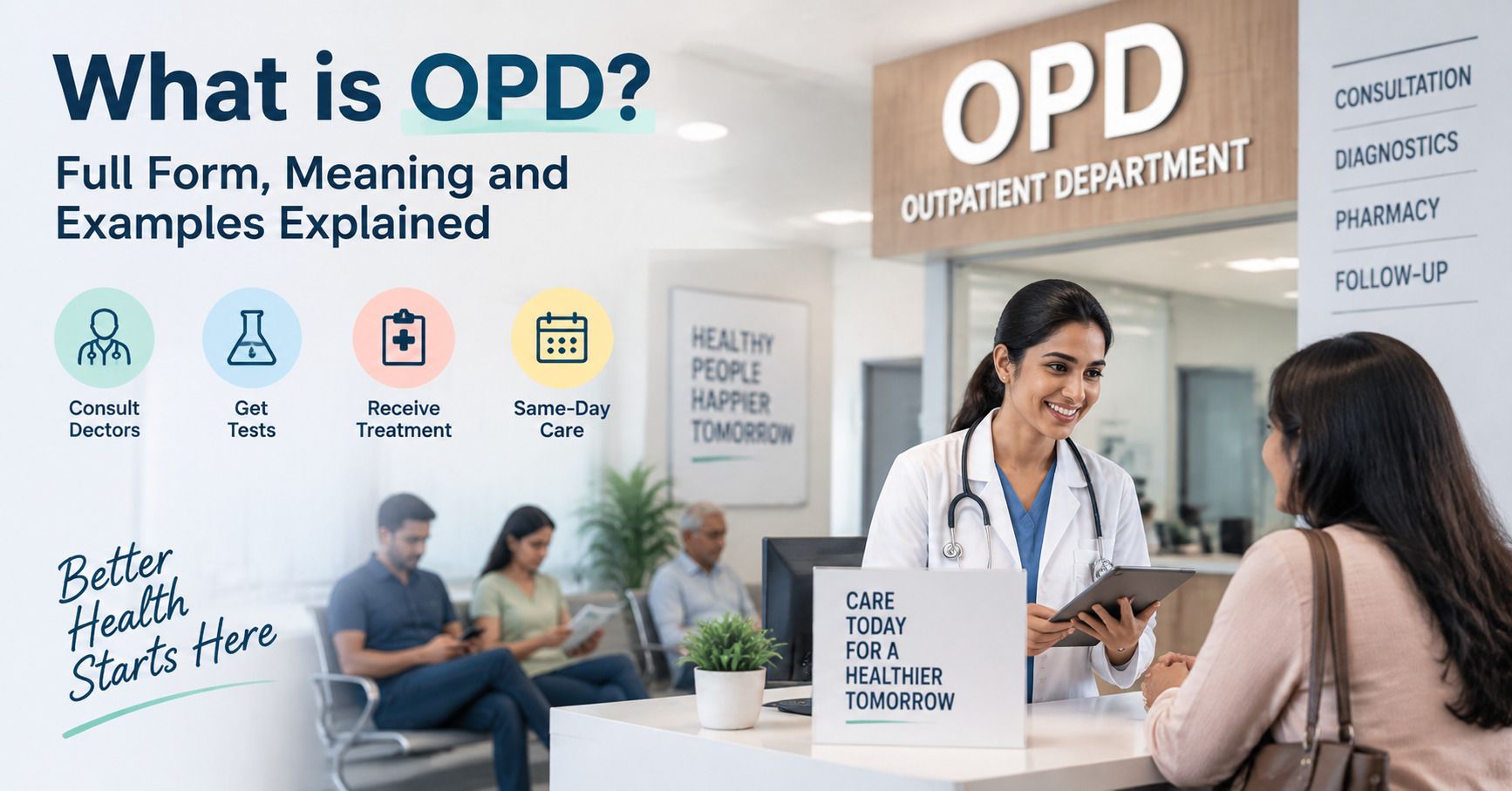
OPD is Outpatient Department. In Hindi, it is commonly referred to as Bahya Rogi Vibhag, which translates directly to "external patient department."
In simple terms, the OPD is the section of a hospital or clinic where patients walk in, get examined, receive a diagnosis or prescription, and walk back out on the same day. No overnight stay, no hospital bed, no admission paperwork. It's usually the very first stop for anyone visiting a hospital, which is why it's often called the "front door" of the healthcare system.
For millions of patients across the country, OPDs are the initial point of contact between a patient and medical specialists. Over 80% of all hospital visits in India happen in OPD settings, showing how important it is in accessible healthcare. Whether you want to consult a general practitioner for persistent fatigue, book a skin evaluation with a dermatologist, or undergo routine blood tests, OPD services form the base of preventive and curative health care.
OPD Meaning in Medical Terms
In medical and healthcare language, OPD falls under the broader umbrella of ambulatory care. It is a term used globally for any health service that doesn't require a patient to be formally admitted. According to WHO guidance, ambulatory care delivered inside institutions that also provide inpatient facilities is generally referred to as outpatient care. It includes everything from a five-minute consultation for a common cold to more involved diagnosis.
Inside a hospital, an OPD is a structured space that channels non-emergency, non-admission cases efficiently, so inpatient wards remain free for patients who genuinely need round-the-clock care.
It also aligns with the World Health Organization's broader vision for primary health care, which positions accessible, everyday healthcare services like the OPD as the entry point into the health system, well before a condition becomes serious enough to need hospitalisation.
Key Characteristics of OPD Care:
- No Overnight Stay: Patients complete their consultation, testing, or minor procedures and leave the medical facility on the same day.
- Preventive & Diagnostic Focus: OPDs focus heavily on early disease detection, routine health screenings, chronic disease management, and preventive wellness.
- Triage and Referral Hub: It acts as the first line of defence where doctors determine whether a health condition can be managed at home or requires urgent inpatient admission.
Comprehensive OPD Services: What Happens in an Outpatient Department?
An OPD might just be the most-visited, least-understood part of any hospital. Its services involve a broad range of healthcare aids to cater to diverse patient needs under one roof:
Medical Consultations & Specialist Care
Outpatient department is for expert medical advice. Patients can consult doctors across various clinical specialties, including General Medicine, Paediatrics, Obstetrics & Gynaecology, Cardiology, Dermatology, Orthopaedics, and Psychiatry. During an OPD consultation, the physician conducts a physical examination, reviews the medical history, and develops a treatment plan.
Diagnostic & Laboratory Services
Accurate diagnosis is important for effective treatment. OPDs house or connect directly with state-of-the-art diagnostic facilities, offering:
- Laboratory Tests: Complete Blood Counts (CBC), lipid profiles, blood glucose monitoring, liver and kidney function tests, and thyroid panels.
- Diagnostic Imaging: Digital X-rays, Ultrasonography (USG), Electrocardiograms (ECG), CT scans, and MRI scans.
- Preventive Health Packages: Comprehensive annual wellness check-ups for individuals and corporate employees.
Outpatient Procedures & Minor Surgeries
Not all surgical involvements require multi-day hospital stays. With advanced medical technology, clinics can perform day-care and minor surgical procedures safely within the OPD.
- Dressing and wound care for lacerations or burns
- Minor surgical excisions (e.g., cyst removals, skin biopsies)
- Joint injections, plaster application, and removal
- Ophthalmic procedures like cataract evaluations and laser vision consultations
Rehabilitation, Wellness, and Preventive Health
OPD care also emphasises on long-term wellness, lifestyle modifications, and rehabilitation. This includes physical therapy sessions, dietary and nutritional counselling, mental health therapy, and adult/paediatric vaccinations.
How Does the OPD Actually Work? A Step-by-Step Walkthrough
If you've never paid close attention, here's what typically happens when you visit an OPD in India:
- Registration: You share your basic details, ID, and symptoms at the reception or via an app, and get an OPD slip or token number.
- Triage & vitals: A nurse or paramedic records your temperature, blood pressure, weight, and basic history.
- Doctor consultation: You're directed to the relevant specialist, like General Medicine, Paediatrics, Gynaecology, Orthopaedics, Dermatology, and so on.
- Diagnosis & tests: If required, you're sent for blood work, imaging, or other diagnostics; often within the same building.
- Prescription & follow-up: You receive medication advice, a prescription, and, if needed, a follow-up date.
The idea is to get you seen, diagnosed, and treated without the cost and disruption of hospitalisation.
Real-World Examples of OPD Visits
To make the concept even clearer, here are five practical scenarios depicting common OPD interactions:
- Managing Chronic Conditions (e.g., Diabetes or Hypertension): A 45-year-old patient visits an endocrinologist every three months for routine blood sugar monitoring, dosage adjustments, and dietary guidance. The entire process takes under two hours.
- Paediatric Immunization: A mother brings her 6-month-old infant to the outpatient clinic for scheduled vaccinations, growth milestone tracking, and general wellness assessment.
- Dermatological Skin Evaluation: An individual dealing with persistent acne or eczema consults a dermatologist in the OPD, receives a specialized prescription, and returns home.
- Post-Surgical Follow-Up: A patient who underwent knee surgery three weeks ago visits the orthopaedic OPD to have their stitches checked, obtain an updated X-ray, and receive a physical therapy routine.
- Initial Screening: When a patient arrives with fever or moderate stomach discomfort, the triage desk in the OPD assesses their vital signs to determine if they need immediate emergency care or a standard consultation. If they do, the doctor advises moving to the Emergency department.
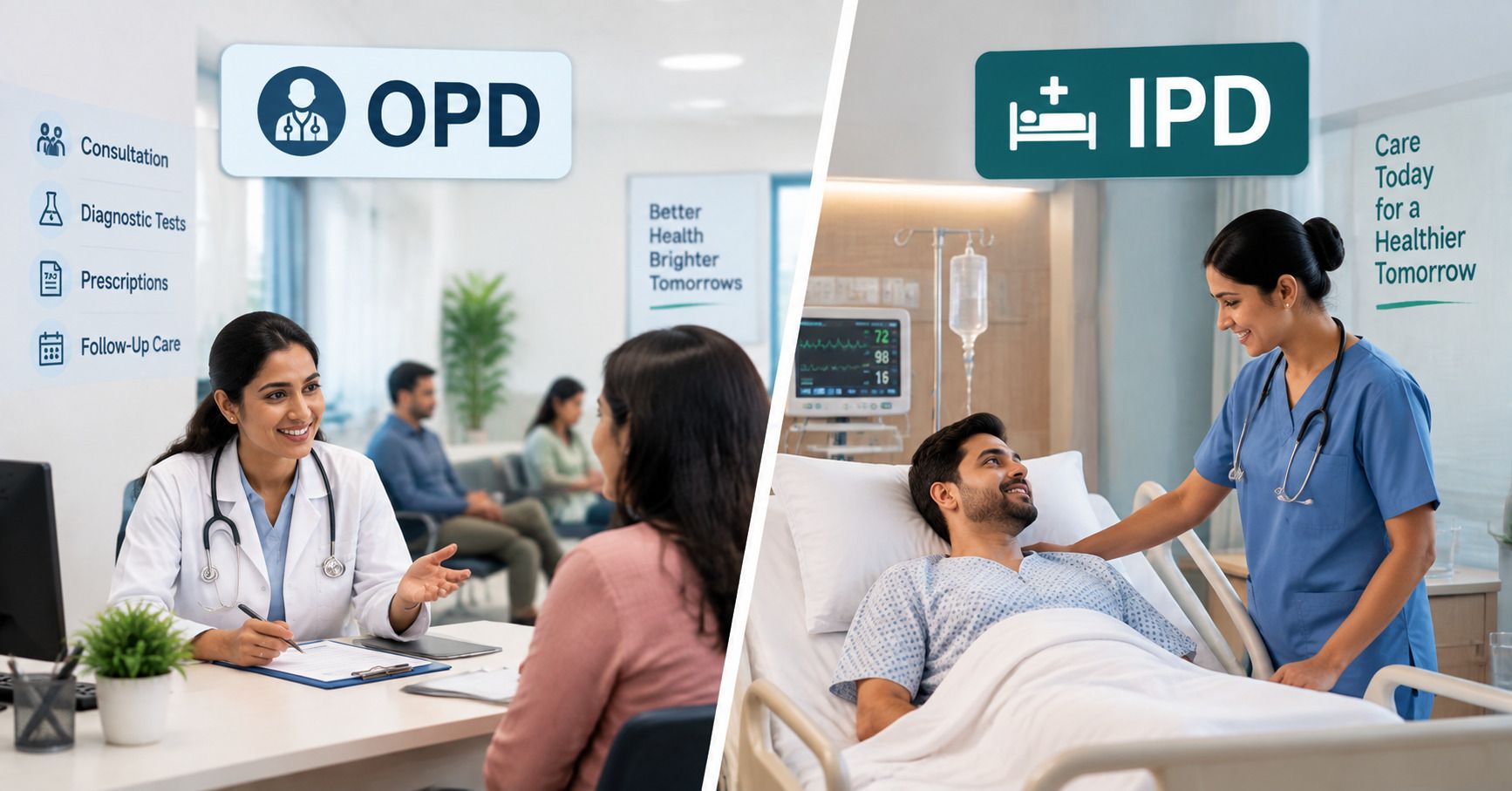
OPD vs IPD: What's the Real Difference? People often use OPD and IPD, these two terms interchangeably. Still, they describe very different kinds of care, patient needs, acuity levels, and cost structures:
What Services Are Offered Under OPD Services?
OPD services extend far beyond a quick doctor's visit or specialist consultations:
- Diagnostic services such as blood tests, X-rays, ECGs, and ultrasounds
- Minor procedures such as dressing changes, suture removal, nebulisation, and injections
- Vaccinations and immunisation programmes
- Dental and vision (eye) care
- Physiotherapy and rehabilitation sessions
- Follow-up visits for chronic conditions like diabetes, hypertension, and thyroid disorders
Routine screenings matter; catching issues early through OPD visits is far cheaper and less stressful than treating them after they escalate.
Working in Outpatient Department: Who Does What?
Behind every smooth outpatient visit is a dedicated team of healthcare professionals. Working in outpatient department environments requires solid clinical knowledge, quick decision-making, and clear communication skills because patient flow is never-ending. Key Roles in an OPD Team: - Outpatient Doctors & Specialists: Conduct patient evaluations, analyze clinical diagnostic reports, formulate treatment plans, and prescribe medications. - OPD Nurses & Triage Staff: Measure vital signs (blood pressure, temperature, heart rate), manage patient queue flow, administer vaccines or injections, and assist doctors during minor procedures. - Diagnostic Technicians: Radiographers and phlebotomists who carry out imaging scans and blood collection efficiently. - Medical Receptionists & Front Desk Executives: Handle patient registration, schedule appointments, verify insurance coverage, and manage billing. - Outpatient Pharmacists: Dispense prescribed medicines, explain dosage instructions, and counsel patients on potential drug interactions.
According to operational guidelines from the Ministry of Health and Family Welfare (MoHFW) - Indian Public Health Standards, well-structured OPDs reduce overall hospital overburden and improve resource use across primary, secondary, and tertiary care facilities.
Why the OPD Matters More Than You Think
OPDs are not a hospital formality; they support everyday healthcare delivery. According to a multicentric study across public health facilities in India, district hospitals alone can see an average OPD load of over 8,000 patients a month, which shows how much day-to-day medical demand flows through outpatient services rather than hospital beds.
Because of this scale, India's Open Government Data Platform tracks OPD attendance a core health-performance indicator across public health facilities nationwide. When OPDs function well, hospitals catch problems earlier, reduce unnecessary admissions, and keep the overall healthcare system more efficient.
The Hidden Cost of OPD Visits in India and How Prime.care Helps
Here's something most people don't realise until it's too late: a single OPD visit might feel affordable, but the real cost adds up fast once you factor in consultation fees, diagnostic tests, medicines, and follow-ups, especially if you or a family member is managing a recurring condition.
And the bigger problem? Historically, most traditional health insurance policies in India are built around hospitalisation (IPD) exceeding 24 hours and cover OPD expenses only as a limited, optional add-on, if at all. Medical statistics published in National Health Accounts (NHA) Estimates for India reveal that out-of-pocket expenses for outpatient care such as doctor fees, daily diagnostics, and monthly medications account for nearly 43% of total health expenditure in India. That leaves everyday healthcare almost entirely out of pocket for most Indian families.
On top of the financial burden, conventional OPDs often come with several challenges such as long waiting times in overcrowded waiting rooms, tedious paperwork, lost physical prescriptions, and delayed diagnostic results.
At Prime.care, we make the outpatient journey easier for you and your family. Unlike a conventional hospitalisation-only insurance plan, we designed this as an everyday primary care plan, so routine OPD-style care doesn't drain your wallet every time you fall sick or go for a check-up.
- Reimbursement or Cashless Benefit: Coverage for OPD billing, routine doctor consultation fees, and specialist visits. Instant claim reimbursements with healthcare financial support. - Diagnostic Test Coverage: Subsidized or fully covered blood tests, X-rays, and MRI scans. - Pharmacy Subsidies: Financial protection against recurring monthly medication expenses for chronic conditions. - Instant Teleconsultations: Skip hospital waiting rooms and book verified top doctors for physical clinic appointments or video consultations. - Integrated Home Diagnostics: Schedule sample collection directly from the comfort of your home with guaranteed accuracy and quick online report delivery. - End-to-End Care Coordination: From preventive check-ups to specialist referrals, we ensure continuity of care at every step.
Explore Prime Care plans starting at ₹333/month.
Frequently Asked Questions
What is the full form of OPD in a hospital?
OPD stands for Outpatient Department; the section of a hospital where patients are examined, diagnosed, and treated without being admitted.
What is the difference between OPD and IPD?
OPD (Outpatient Department) handles patients who don't need hospital admission, while IPD (Inpatient Department) is for patients who are formally admitted for surgery, observation, or extended treatment.
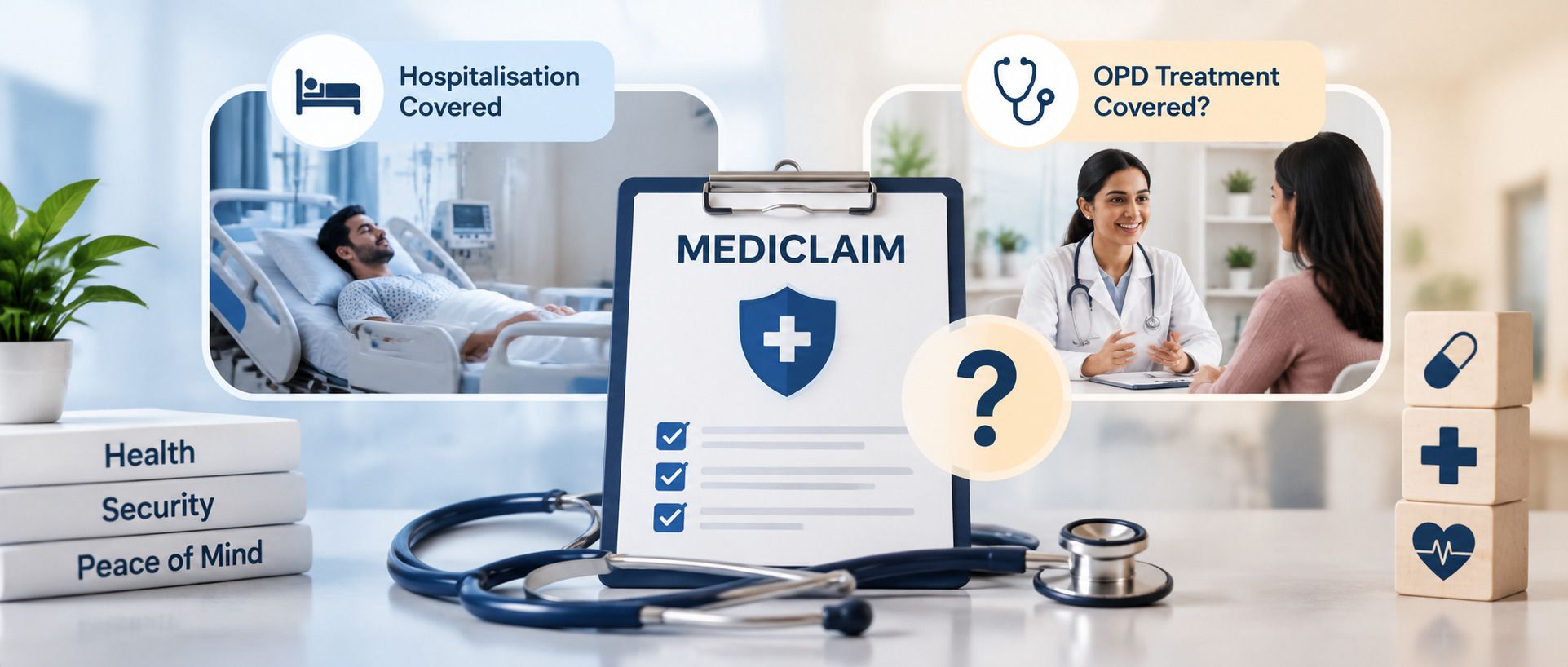
Is OPD treatment covered under health insurance?
Some health insurance policies in India offer OPD cover as an optional add-on for consultations, diagnostics, and medicines. Still, most standard mediclaim policies focus primarily on inpatient hospitalisation. Dedicated primary care plans like Prime.care are now a popular alternative for covering everyday OPD expenses.
What services can I get at an OPD?
Typical OPD services include doctor consultations, diagnostic tests, minor procedures, vaccinations, dental and eye care, physiotherapy, and follow-up visits for ongoing conditions.
How is an OPD visit different from an emergency room visit?
An OPD visit is for scheduled, non-urgent medical needs where you typically book or take a token in advance. An emergency room (casualty) handles sudden, severe, or life-threatening conditions that need immediate attention, often without a prior appointment.