
Back and Joint Pain: When It's Time to See an Orthopaedic Specialist

10 NOV '269 min
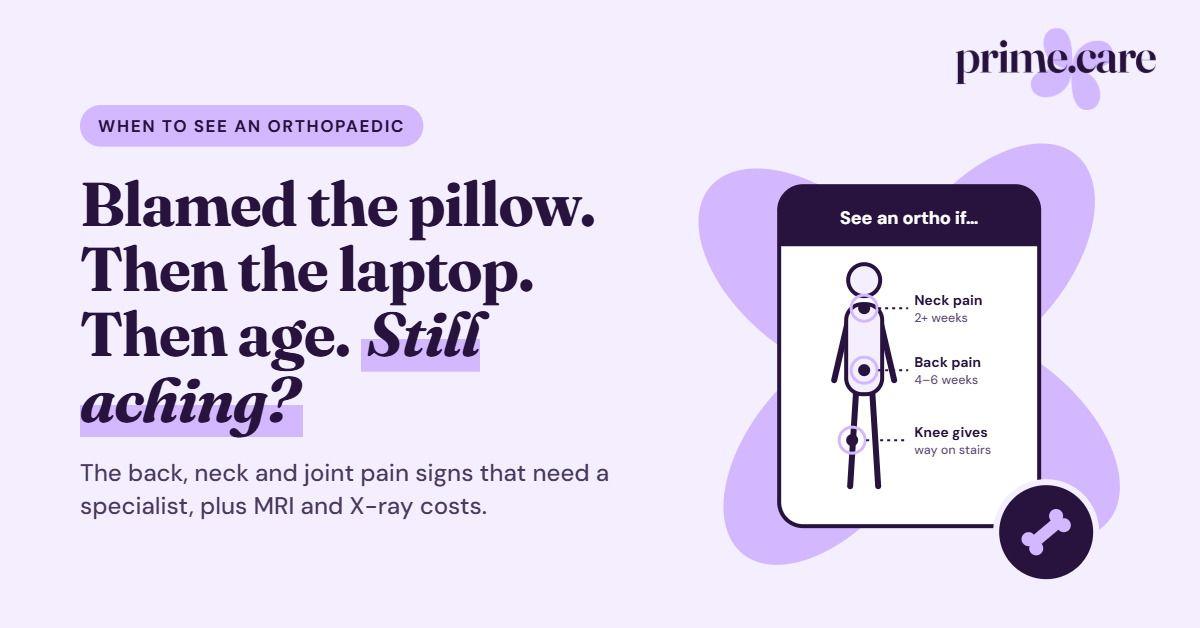
You woke up with a stiff neck and blamed the pillow. Three weeks later, you blamed the laptop. Then the mattress. Then “just age.” Sound familiar?
Across India, millions of us live with aching backs and cranky knees and quietly normalise it. The World Health Organization (WHO) reports that low back pain affected an estimated 619 million people worldwide in 2020, roughly 1 in 13 people, and that it remains the leading cause of disability globally. By 2050, cases are projected to reach 843 million, with the steepest growth expected in Asia and Africa.
Most pain can be managed, and early care makes all the difference. But the harder question is when to stop self-treating and see a specialist. We will answer exactly that for you.
Why Back and Joint Pain Deserve More Than a Painkiller
A strip of tablets can quieten pain for a few hours, but it cannot tell you why it hurts. According to WHO, about 90% of low back pain is “non-specific,” meaning no single structural cause is obvious, which is precisely why a proper examination matters. It also notes that most people experience back pain at least once in their lives, and that the highest number of cases occurs between 50 and 55 years of age.
Joints tell a similar story. WHO estimates that about 528 million people were living with osteoarthritis in 2019, a 113% rise since 1990. The knee is the most affected joint (365 million people), and around 60% of those affected are women. Importantly, WHO also stresses that osteoarthritis is not an inevitable consequence of ageing. Early diagnosis, exercise and weight management can change the course.
Cervical Pain Symptoms You Should Never Ignore
Neck problems are no longer a “senior citizen” complaint. Long hours hunched over phones and laptops put constant strain on the cervical spine (the seven vertebrae of your neck). Watch for these cervical pain symptoms:
- Persistent neck pain or stiffness that lasts more than a couple of weeks, or keeps returning.
- Pain travelling to the shoulder, arm or fingers, often described as burning or electric.
- Tingling or numbness in the hands or fingers, especially at night.
- Headaches that begin at the base of the skull.
- Weak grip, dropping objects, or difficulty with fine tasks like buttoning a shirt.
- Unsteady walking or loss of balance. This can signal pressure on the spinal cord and needs prompt medical attention.
If any of these persist, do not wait it out. A specialist can examine your neck, test reflexes and strength, and decide whether imaging is needed.
Back Pain Red Flags: Don’t Wait for These
Most backaches settle with rest, movement and simple care. But some signs mean you should see an orthopaedic specialist soon, or head to an emergency department immediately:
- Emergency: numbness around the groin or inner thighs, new difficulty controlling urine or stools, or fast-worsening leg weakness. These can point to serious nerve compression.
- Back pain after a fall, accident or sports injury, especially if you are over 50 or have weak bones.
- Back pain with fever, unexplained weight loss, or a past history of cancer.
- Night pain that does not ease with rest or a change of position.
- Pain that shoots below the knee (sciatica), or causes foot numbness or weakness.
- Pain that has not improved after 4-6 weeks of self-care.
Joint Pain Warning Signs That Need a Specialist
Not every ache in the knee or fingers is simple wear and tear. Book a visit if you notice:
- Morning stiffness lasting more than 30 minutes, with swelling in small joints of both hands or feet. This pattern can suggest rheumatoid arthritis.
- A sudden, intensely painful, red, hot big toe or ankle. This is classic of gout, linked to high uric acid.
- Knee pain on stairs, creaking, or the knee “giving way,” which are common in osteoarthritis.
- A joint that is locked, visibly deformed, or unable to bear weight.
- Joint pain with fever, rash or unexplained fatigue.
Which Tests Will You Need?
Your doctor will start with a physical examination and your history. Depending on what they find, they may suggest one or more of these:
- X-ray: shows bone alignment, fractures, bone spurs and joint-space narrowing. It is quick and usually the first step.
- MRI scan: shows soft tissues such as discs, nerves, ligaments and cartilage. It is often advised for persistent neck or back pain, nerve symptoms, or knee ligament problems.
- Uric acid test: a simple blood test used to check for gout.
- RA factor test: a blood test that helps in evaluating rheumatoid arthritis. It is usually read along with other tests (such as anti-CCP, ESR and CRP), since RA factor alone cannot confirm or rule out the disease.
MRI Scan Cost, X-Ray Cost, Uric Acid Test Price and RA Factor Test Price in India
Cost is the question everyone asks. Private diagnostic prices vary by city, machine type, and lab accreditation, so there is no single national price.
To give you a trustworthy benchmark, here are the government-notified reference rates for common tests, taken from the Delhi Arogya Kosh rate list (based on CGHS package rates, updated 2023) and the CGHS diagnostic rate schedule published by the Ministry of Health and Family Welfare’s NIPHTR.
| Test | Government reference rate | Source |
|---|---|---|
| X-ray spine (AP & lateral views) | ₹250 – ₹288 | Delhi Arogya Kosh, 2023 |
| MRI cervical spine (without contrast) | ₹3,400 – ₹4,000 | Delhi Arogya Kosh, 2023 |
| MRI lumbar spine (without contrast) | ₹2,125 – ₹2,500 | Delhi Arogya Kosh, 2023 |
| MRI knee, single joint (without contrast) | ₹2,550 – ₹3,000 | Delhi Arogya Kosh, 2023 |
| Serum uric acid test | ₹48 – ₹56 | CGHS rate list (MoHFW, NIPHTR) |
| Rheumatoid (RA) factor test | ₹89 – ₹105 | CGHS rate list (MoHFW, NIPHTR) |
Ranges show the lower non-NABH/non-NABL rate to the higher NABH/NABL rate. The uric acid and RA factor rates come from an older CGHS schedule, so treat them as indicative benchmarks only.
What this means for you: an MRI costs many times more than an X-ray, so ask your doctor why each test is needed. Actual charges at private centres can differ from these reference rates, so always confirm the price, contrast requirement and report time before booking.
How to Find an Orthopaedic Doctor Near Me With Fees You Can Plan For?
Here is what really influences the consultation fee and the quality of care:
- Experience and qualification: look for an MS or DNB in Orthopaedics, and ask about sub-specialisation (spine, knee and hip, sports injury, hand and shoulder).
- City and clinic type: metro clinics and multi-speciality hospitals usually charge differently from neighbourhood clinics.
- Mode of consultation: an in-person visit and a video consultation may be priced differently, and video can save travel time for follow-ups.
- Fee transparency: check whether the fee covers a follow-up visit, and whether tests are charged separately.
- Patient feedback: real reviews about listening skills, waiting time and explanation of treatment options matter as much as degrees.
Everyday Habits That Protect Your Spine and Joints
Prevention is not glamorous, but it works. Strong muscles and a healthy weight can ease osteoarthritis symptoms, and obesity is a key risk factor for hip and knee osteoarthritis. As per a large study in The Lancet Rheumatology, occupational factors, smoking and high body mass index together accounted for 38.8% of the disability caused by low back pain. Small changes add up:
- Stand up and move for a minute or two every 30–45 minutes of sitting.
- Keep your screen at eye level and your elbows close to your body.
- Build core, back and leg strength with regular, doctor-approved exercise.
- Maintain a healthy weight to reduce load on your knees and spine.
- Quit smoking, and choose supportive footwear.
Prepare for Your Appointment
- Note when the pain started, what makes it better or worse, and which medicines you have already tried.
- Carry old X-rays, MRI reports and blood test results, plus a list of current medicines.
- Mention other conditions such as diabetes, thyroid problems or past surgeries.
- Wear loose, comfortable clothes so the doctor can examine the affected area easily.
The Expenses: Where prime.care OPD Insurance Fits In
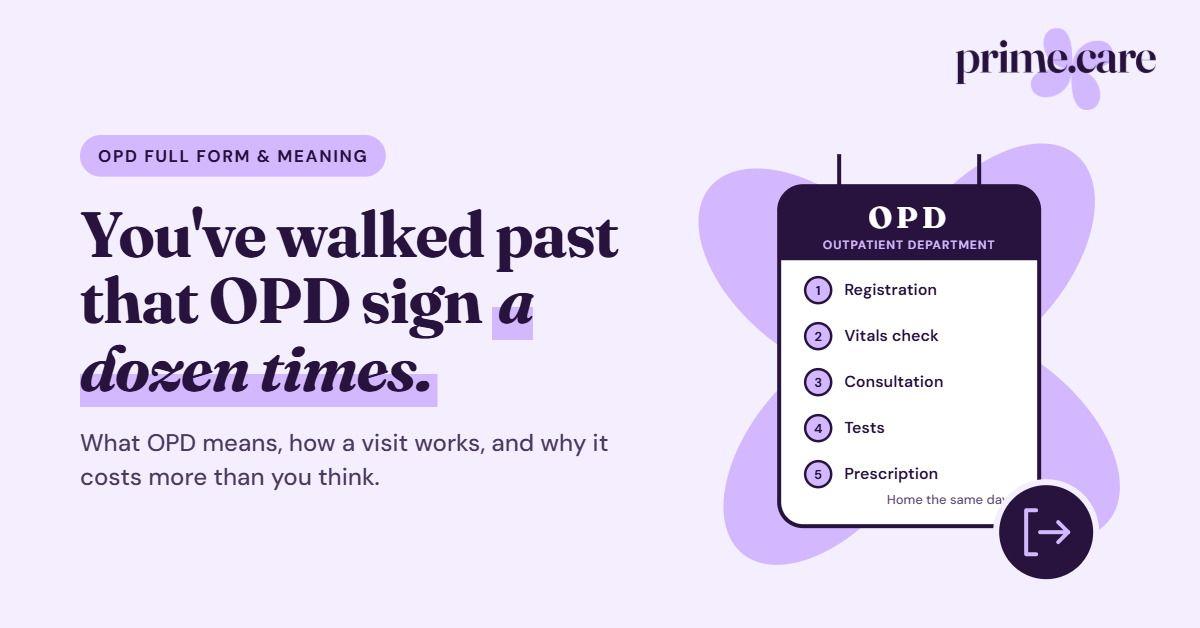
This is the step most people discover too late. Under the IRDAI’s master circular on health insurance business, standard health insurance policies revolve around hospitalisation and day care procedures that need admission. But when you simply walk in for a consultation, an X-ray or a blood test and walk out again, that’s OPD (outpatient) care, and it’s generally covered only if your policy or your employer’s plan includes an OPD benefit, or you’ve bought an OPD add-on.
prime.care provides you plans with a cashless wallet that you can use at 4,000+ partner locations for these recurring OPD expenses. Tests, consultations, wellness, physiotherapies, everything is covered from the same wallet.
Take the first step today. Compare our plans, check the coverage table for better understanding, and get yourself covered. No waiting period, no hanging on.
Frequently Asked Questions
When should I see an orthopaedic doctor for back pain?
See a specialist if back pain lasts more than 4-6 weeks, follows an injury, shoots down your leg, wakes you at night, or comes with fever or weight loss. Seek emergency care immediately for loss of bladder or bowel control, groin numbness, or rapidly worsening leg weakness.
What are the most common cervical pain symptoms?
Common cervical pain symptoms include neck stiffness, pain spreading to the shoulder or arm, tingling or numbness in the fingers, headaches from the base of the skull, and weak grip. Trouble walking steadily or handling small objects needs urgent evaluation.
How much does an MRI scan cost in India?
Prices vary by body part, city, centre and whether contrast is used. As a government benchmark, the Delhi Arogya Kosh list (based on CGHS rates, 2023) shows ₹3,400–₹4,000 for a cervical spine MRI and ₹2,125–₹2,500 for a lumbar spine MRI without contrast. Private centres may charge differently.
What are the X-ray cost, uric acid test price and RA factor test price?
Government benchmarks list a spine X-ray (AP and lateral) at ₹250–₹288. The CGHS schedule lists serum uric acid at ₹48–₹56 and RA factor at ₹89–₹105, though those are older reference rates. Collection charges and lab accreditation can change what you pay in practice.


 Message us on WhatsApp