Most people think of health insurance as something they need when a medical problem puts them in a hospital. You compare the sum insured, check the hospitalisation benefits, look at the premium, and assume you're covered for most of what healthcare might throw at you. But what happens when the doctor visit doesn't involve a hospital at all?
Imagine you wake up one morning with a persistent cough and a mild fever. You visit your doctor, pay ₹800 for the consultation, get a few tests done for ₹1,000, and spend another ₹500 on medicines. You've spent ₹2,300 on a fairly routine health issue. You have health insurance, so you might expect at least some of that expense to be covered. But depending on your policy, you could end up paying the entire amount yourself.
This is where the difference between regular health insurance and OPD health insurance becomes important. A standard health insurance plan is generally designed around major medical expenses, particularly hospitalisation, while OPD cover can help with the everyday healthcare costs that don't require you to be admitted to a hospital. And because doctor visits, diagnostic tests, and medicines can add up over time, knowing what each type of cover actually pays for can make a meaningful difference to both your healthcare planning and your wallet.
Key Differences in Coverage and Benefits
When it comes to choosing between OPD and regular health insurance policies, the details in coverage and benefits play a decisive role. Here’s a comprehensive comparison to guide potential policyholders:
Coverage Scope:
-
Regular Health Insurance:
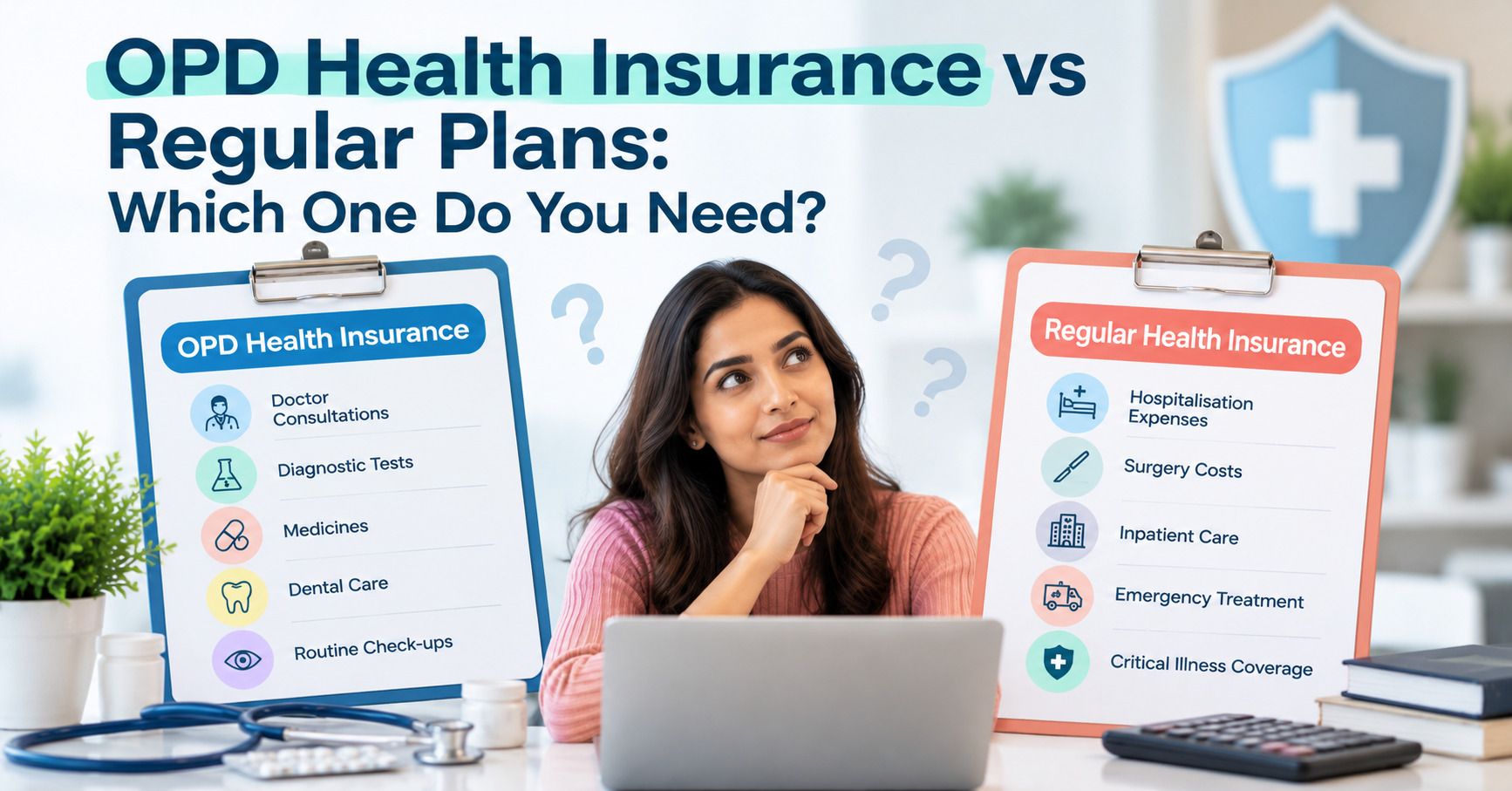
- Hospitalization Expenses: Focuses on costs incurred during inpatient treatment like room rent, ICU charges, and surgical procedures.
- Pre- and Post-Hospitalization: Covers medical expenses incurred before and after a hospital stay.
- Daycare Procedures: Includes treatments that do not require an overnight hospital stay.
-
OPD Health Insurance:
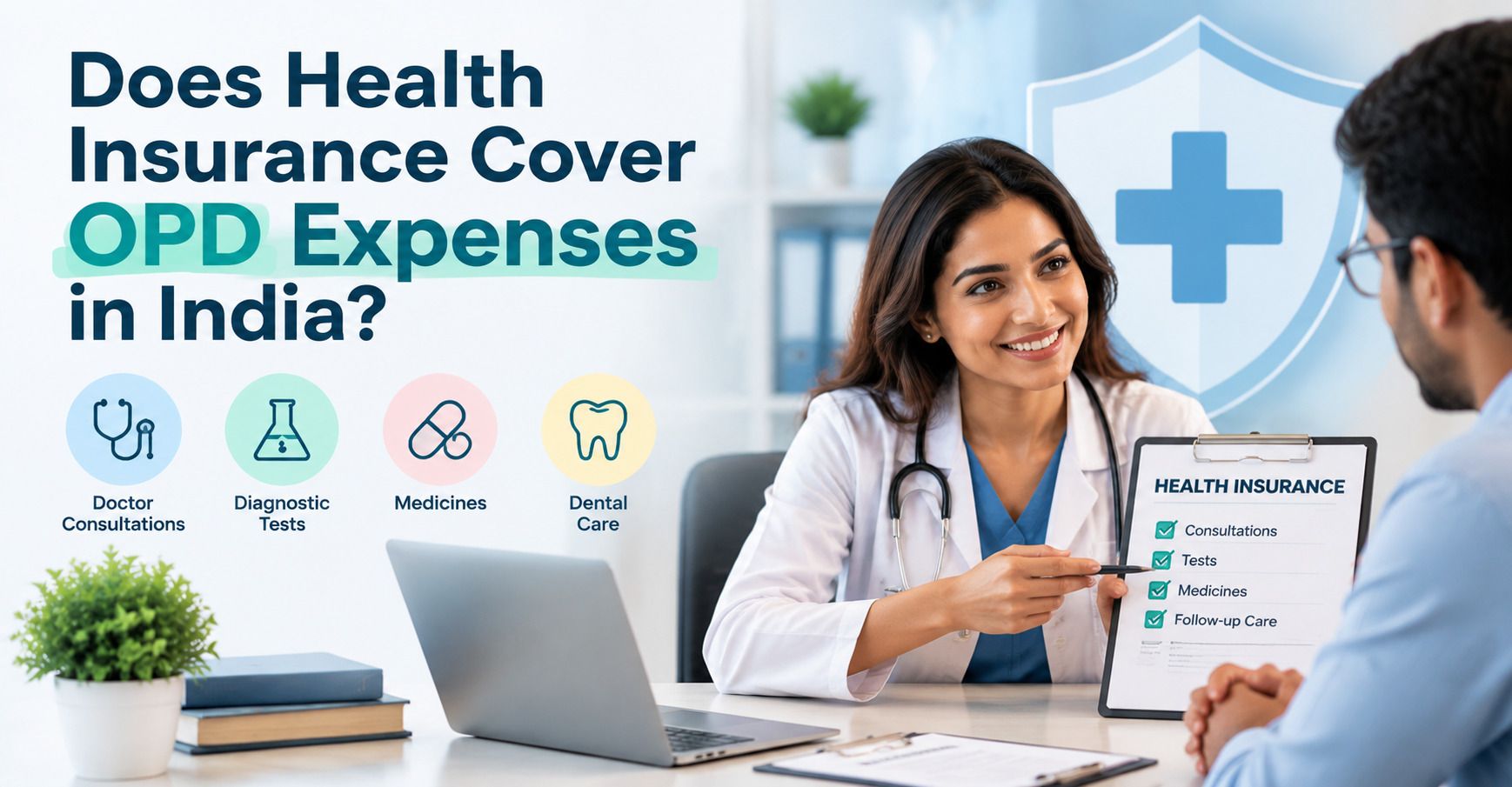
- Outpatient Services: Covers expenses for doctor consultations, diagnostic tests, and medications without hospitalization.
- Minor Treatments: Includes treatments and procedures that don't require an overnight stay.
Claim Process:
- Regular Health Insurance: Processes claims based on detailed hospitalization bills and supporting documents.
- OPD Health Insurance: Handles claims with bills for outpatient treatments, including receipts for consultations, tests, and medications.
Premium Costs:
- Regular Health Insurance: Generally offers lower premiums focusing primarily on less frequent but more costly inpatient care.
- OPD Health Insurance: Features higher premiums due to covering more frequent outpatient services.
Ideal For:
- Regular Health Insurance: Best suited for individuals who want protection primarily against significant medical emergencies and hospital-related expenses.
- OPD Health Insurance: More beneficial for those requiring frequent medical attention such as individuals with chronic conditions or those who prefer comprehensive access to healthcare services.
Growing Popularity of OPD Health Insurance
The preference for OPD health insurance is not just a fleeting trend but a reflection of changing consumer behaviors towards healthcare. Recent statistics reveal compelling insights into this shift:
- Rapid Adoption: The inclusion of OPD benefits in health insurance policies has seen a significant climb over recent years, with coverage rates soaring from 5% to 22%.
- Preventive Health Benefits: There is a noticeable reduction in hospitalizations among policyholders with OPD coverage, suggesting that regular and accessible outpatient care can lead to better health management and outcomes.
- Frequent Utilization: Policyholders with OPD coverage tend to use their benefits frequently throughout the year, highlighting the practicality of these plans for everyday health needs.
- Demographic Trends: A considerable percentage of OPD policyholders are urban professionals, indicating a targeted preference among those likely to benefit from regular healthcare access.
These trends emphasize a collective move towards more inclusive and preventive health insurance options, catering to a broader spectrum of healthcare needs and promoting a proactive approach to health management.
Tailoring Your Policy: Choosing Between OPD and Regular Health Insurance
When deciding between an OPD health insurance policy and a regular health insurance policy, understanding your specific healthcare needs is crucial. Here are some factors to consider:
- Frequency of Doctor Visits: If you often visit the doctor for minor ailments, an OPD policy can be more cost-effective, covering routine doctor visits and minor procedures without the need for hospitalization.
- Chronic Conditions: Patients with chronic conditions may benefit from OPD policies that cover regular consultations and ongoing treatments.
- Family Health History: If your family history suggests potential health issues, an OPD policy can facilitate early diagnosis and regular monitoring without significant out-of-pocket expenses.
- Lifestyle: A more active lifestyle or one that involves higher health risks might need a robust OPD coverage to manage frequent minor injuries or health checks.
Evaluating these factors can help you decide whether the additional cost of OPD coverage aligns with your healthcare utilization patterns.
Strategic Use of OPD Policies for Holistic Health Management
Integrating OPD coverage into your health insurance strategy can lead to more comprehensive health management. Here’s how you can maximize the benefits:
- Preventive Care: Use OPD visits for regular health screenings and preventive care, which can help in early detection of illnesses, potentially reducing the need for extensive treatments later.
- Budget Management: With clear limits on various services, you can plan your healthcare expenses better, avoiding the surprise of unforeseen medical bills.
- Specialist Consultations: Some OPD policies cover specialist consultations, which can be crucial for obtaining second opinions or managing specific conditions without the need for hospitalization.
Practical Tips for Selecting and Utilizing OPD Coverage
When choosing an OPD policy, consider these actionable tips to ensure you select a plan that best suits your needs:
- Compare Limits and Exclusions: Carefully compare the limits on consultations, procedures, and annual caps. Understanding what is excluded from the policy can also save you from unexpected denials.
- Network of Providers: Check if your preferred doctors and clinics are included in the insurer’s network. This is particularly important for accessing cashless services.
- Review Claim Process: Understand the claim process for OPD expenses. Some insurers may offer a simpler, documentation-light process for quicker reimbursement.
- Consider Add-ons: If the basic OPD coverage doesn’t meet all your needs, look for add-on covers that can broaden the scope of your policy.
By following these tips, you can make a more informed decision and utilize your OPD policy effectively.
Conclusion
Choosing the right type of health insurance is a decision that should be tailored to your personal healthcare needs and financial situation. OPD health insurance policies offer a range of benefits for managing outpatient care, making them a valuable option for those who require frequent medical consultations and treatments without hospitalization. However, it's important to remember that these policies are not a substitute for regular health insurance but rather a complement that can fill gaps in healthcare coverage.
Before making a decision, it’s crucial to assess your healthcare habits, understand the specific features and limitations of OPD coverage, and consider how it fits into your overall health insurance strategy. By debunking common misconceptions and carefully selecting a policy that aligns with your needs, you can optimize your health coverage to ensure it provides the support you need, when you need it. As the landscape of healthcare continues to evolve, staying informed and adaptable will help you maintain your health and financial well-being effectively.
Frequently Asked Questions
What is the main difference between OPD and regular health insurance policies?
The primary difference lies in the scope of coverage. Regular health insurance focuses on inpatient treatments, covering hospitalization expenses, pre- and post-hospitalization costs, and daycare procedures. In contrast, OPD health insurance covers outpatient services, including routine doctor visits and minor procedures without the need for hospitalization.
Who should consider an OPD health insurance policy?
OPD health insurance is ideal for individuals who frequently visit doctors for minor ailments or have chronic conditions requiring regular consultations. If your healthcare needs are primarily outpatient, an OPD policy can be more cost-effective and provide better coverage for your routine medical expenses.
Are there any limitations to OPD health insurance policies?
Yes, OPD health insurance policies may have limits on the number of consultations, specific treatments covered, and overall claim amounts. It's essential to review the policy details to understand any exclusions or caps on benefits before making a decision.
Can I combine OPD and regular health insurance plans?
Yes, many insurance providers offer the option to combine OPD and regular health insurance plans. This allows you to have comprehensive coverage that addresses both outpatient needs and inpatient medical expenses, ensuring a holistic approach to your healthcare.
How do I choose between an OPD policy and a regular health insurance plan?
Choosing between the two depends on your healthcare needs. Assess factors such as the frequency of doctor visits, existing medical conditions, and your budget. If you require frequent outpatient care, an OPD policy may be more beneficial, while regular health insurance is better suited for those anticipating hospitalization.